Fresh Eyes Don't Assume: How AI Finds the Bugs You Can't See
What if AI could look at your application the way a stranger would—without assumptions, without shortcuts, without the curse of knowing how it's supposed to work?
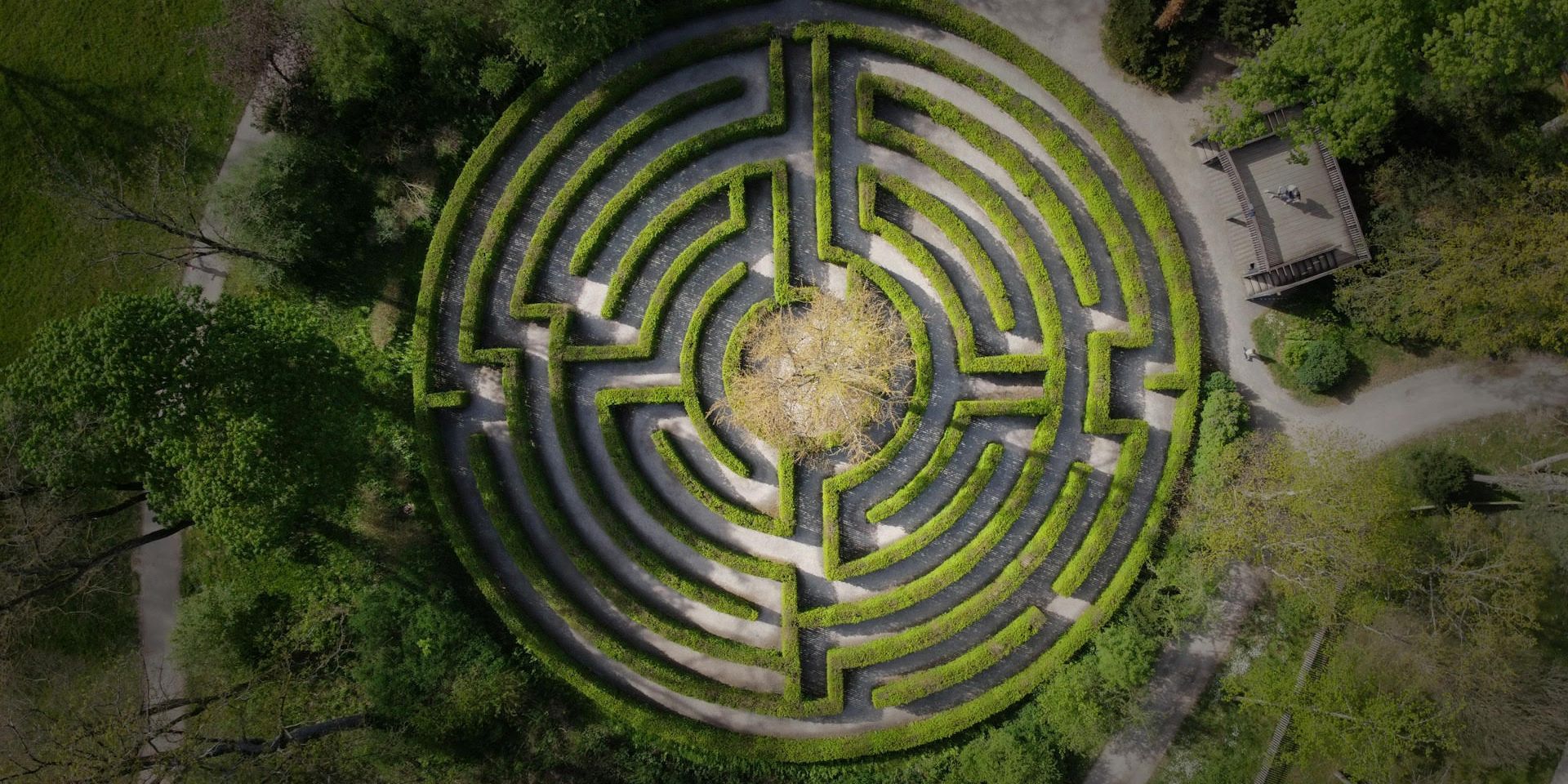
You know that moment when someone new joins the team and immediately spots a bug that's been there for months? "Oh, that link goes to the wrong page." Everyone else walked past it a hundred times. They saw it once.
That's not luck. That's the power of unfamiliarity.
I wondered: what if I could actually bottle that? What if AI could look at my application the way a stranger would—without assumptions, without shortcuts, without the curse of knowing how it's supposed to work?
The Familiarity Trap
Developers are too close to their own code. It's not a flaw—it's physics. You built the feature, so you test the feature the way you built it. You click the buttons in the order you expect. You enter the data that makes sense. You follow the happy path because you designed the happy path.
Edge cases slip through because you didn't think to look there. Why would you? You know how it works.
This is why "works on my machine" has become a punchline. Not because developers are careless, but because familiarity breeds blind spots.
More Eyes, Same Blind Spots
Traditional QA tries to solve this with more humans. Code reviews. QA teams. Beta testers. Each layer adds perspective, but also adds time and cost. And even then, the people testing often become familiar themselves.
Automated tests help with regression but only catch what someone thought to test. They're a checklist, not an exploration. They verify what should work—they don't discover what doesn't.
Exploration, Not Automation
This started after hours, on a personal project. I needed a second set of eyes but couldn't justify a QA team for a side project. So I asked a different question: could AI explore an application the way a first-time user would?
Not run tests. Explore.
I built an AI system that navigates applications with genuine curiosity. It clicks links. It fills forms. It tries paths that don't make obvious sense. It doesn't know what's supposed to work, so it assumes nothing.
A Bug Hiding in Plain Sight
The results stopped me in my tracks. It found a bug I never would have caught—a link that pointed to the wrong place in one specific context. A tiny, invisible flaw I'd walked past dozens of times.
The AI-powered QA agent found it because it explored without assumptions.
Fresh Eyes, Every Run
The real value isn't just catching bugs—it's catching them before they ship. The QA agent explores paths we wouldn't think to explore. It doesn't get tired. It doesn't skip flows because they seem boring. It doesn't develop familiarity over time. Every run is fresh eyes.
Adding latency for the product owner? Yes. Adding latency for the customer? No.
Perspective as a Resource
This changes how we think about AI in development. The conversation usually focuses on AI writing code—generation, acceleration, shipping faster. But there's enormous value in AI that reviews work, not just creates it.
Fresh perspective is a resource. Traditionally, it's been expensive and scarce. AI makes it renewable. You can manufacture unfamiliarity on demand.
The Takeaway
The best QA insight often comes from someone who doesn't know the system yet. They see what familiarity makes invisible.
The fundamental insight: the "works on my machine" problem isn't a machine problem. It's a familiarity problem. AI gives us a way to manufacture that fresh perspective on demand.